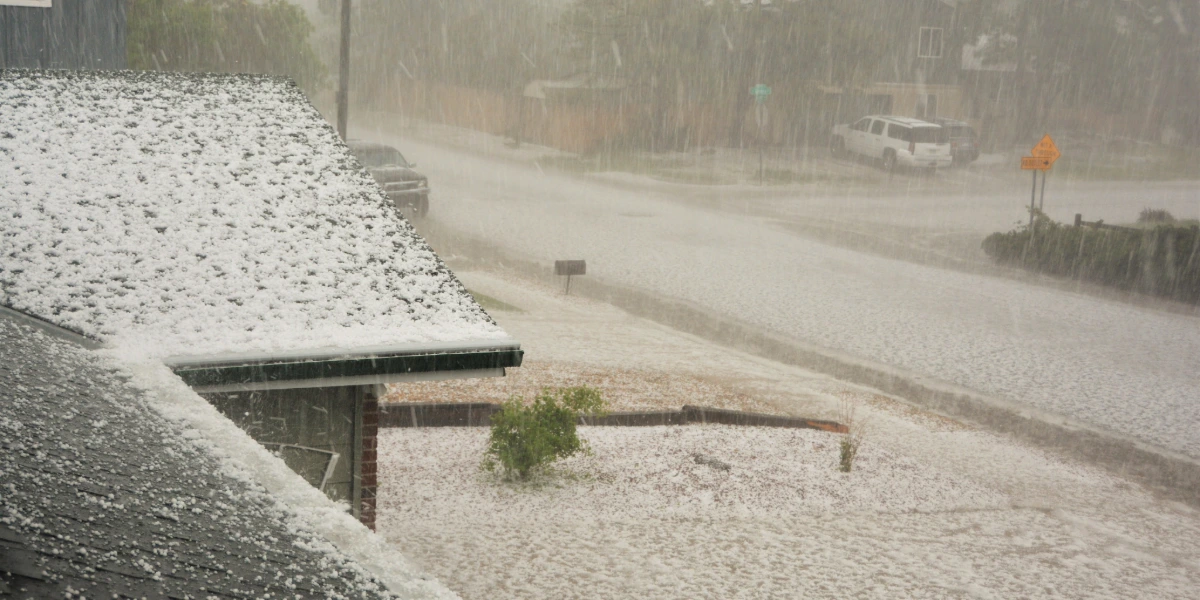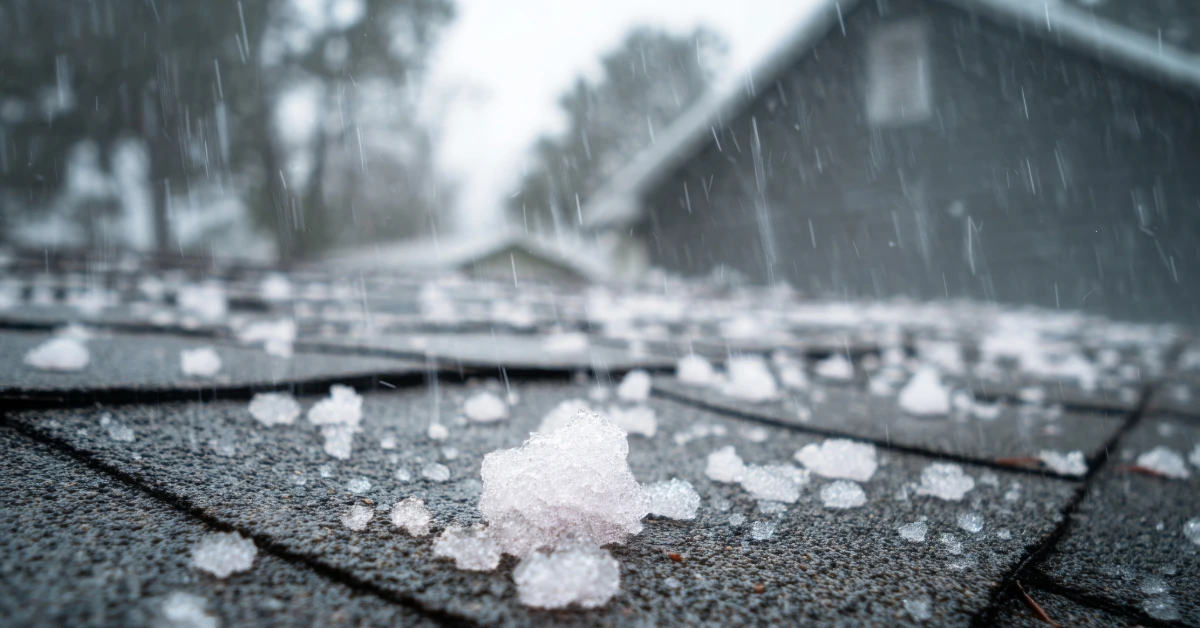

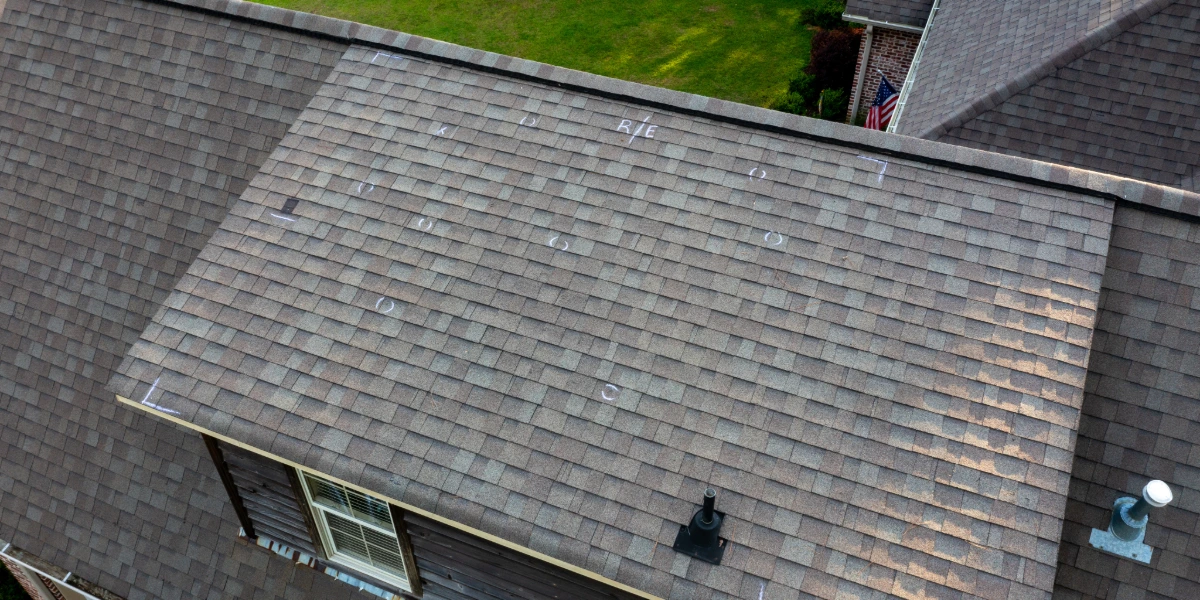
When the hail finally stops and the silence sets in, many Colorado homeowners are left staring at their roof, wondering how much damage was done and what it’s going to cost. Red Diamond Roofing helps homeowners navigate pricing, insurance claims, and material choices following hail and wind damage throughout the Denver, Fort Collins, and Thornton areas. Since 2008, our team has specialized in storm damage restoration, working directly with insurance companies to secure the coverage and quality materials homeowners deserve. This guide breaks down 2026 pricing factors specific to Colorado’s unique climate challenges.
Average Cost of Roof Replacement in Colorado
Colorado homeowners will typically invest between $9,500 and $24,000 for residential roof replacement in 2026 (see This Old House, November 2025). This range covers typical home sizes of 1,500 to 3,000 square feet. Colorado pricing runs higher than national averages due to specialized labor demand for storm damage repairs and material requirements for extreme weather resistance..
Following severe hail or wind events, most homeowners work with their insurance companies to cover replacement costs. The final project cost depends on multiple factors, including roof size, material selection, structural repairs discovered during tear-off, and whether upgrades to impact-resistant materials are warranted.
Cost Per Square Foot by Material
Residential roofing contractors calculate projects using “squares” (100 square feet), but breaking costs down per square foot helps with budgeting. In 2026, homeowners can expect asphalt shingle installation costs to fall between $4.50 and $7.00 per square foot, including labor and materials. Metal roofing costs between $9.00 and $16.00 per square foot, while tile installations can exceed $20.00 per square foot.
These figures include the tear-off of existing materials, disposal, and installation. Storm damage situations often involve insurance coverage that affects out-of-pocket expenses, making material selection less about upfront cost and more about long-term performance in Colorado’s demanding climate.
Asphalt Shingle Performance and Value
Across Colorado, most homeowners still choose asphalt shingles for residential roofing projects, balancing cost-effectiveness with adequate storm protection. Standard architectural shingles last 20 to 25 years in ideal conditions, though Colorado’s climate often shortens this lifespan to 15 to 20 years.
When replacing a storm-damaged roof through insurance, choosing quality asphalt shingles from manufacturers like Owens Corning or Malarkey offers proven performance. Red Diamond Roofing holds Platinum Preferred status with Owens Corning and Emerald Premium certification with Malarkey, accessing enhanced warranties unavailable to standard contractors.
Class 4 Impact-Resistant Shingles
Impact-resistant shingles designed for hail protection add approximately $1.00 to $1.50 per square foot compared to standard asphalt products. For a 2,000-square-foot roof, this translates to $2,000 to $3,000 in additional material costs.
However, many insurance companies offer premium discounts for Class 4-rated roofs, which helps offset this investment over time. Given Colorado’s frequent severe weather, impact-resistant materials often make financial sense even when replacing a roof damaged by a previous storm.
Colorado-Specific Cost Factors
High-Altitude UV Exposure and Material Degradation
Colorado’s elevation and intense UV exposure accelerate roofing material breakdown. Roofs at higher elevations experience noticeably faster material breakdown compared to lower-altitude regions. Premium shingles with enhanced UV protection or cool roof technologies add $500 to $2,000 to total project costs but extend roof lifespan significantly.
When replacing a roof after storm damage, investing in UV-resistant materials protects against premature aging between weather events. This consideration becomes particularly important since Colorado roofs rarely reach their expected lifespan before the next hail or wind storm occurs.
Winter Installation Considerations
Winter roof installation in Colorado requires specialized techniques that can increase labor costs by 10 to 20 percent. Cold temperatures prevent standard shingle adhesives from activating properly, requiring hand-sealing of each shingle tab or use of cold-weather adhesives. Many roofing companies avoid winter work entirely, but when storm damage occurs in colder months, waiting until spring isn’t always practical.
Insurance companies typically cover necessary seasonal installation costs, but homeowners should understand these factors when planning replacement timing. Most storm damage restorations happen outside winter months, but Colorado’s unpredictable weather sometimes necessitates cold-weather repairs.
Insurance Coverage and Financial Planning
Understanding Insurance Claim Coverage
Most Colorado roof replacements stem from storm damage rather than age-related wear. Homeowners insurance policies cover sudden damage from hail, wind, and storms, but exclude normal wear and tear. Knowing how Replacement Cost Value (RCV) policies differ from Actual Cash Value (ACV) coverage is essential.
RCV policies pay to replace your roof with comparable new materials, while ACV policies deduct depreciation based on roof age. Red Diamond Roofing works directly with insurance companies to document damage, advocate for proper coverage, and move through the claims process with a focus on achieving a stronger settlement.
Supplemental Claims for Hidden Damage
Initial insurance estimates often miss damage revealed only after removing surface materials. Rotted decking, compromised underlayment, and failed flashing become apparent during tear-off. Experienced residential roofing contractors like Red Diamond Roofing conduct exhaustive inspections of all sublayers once shingles are extracted. We then file supplemental claims to cover these additional repairs, which insurance companies typically approve when properly documented. This process can add anywhere from $1,500 to $5,000 to the total claim value, but homeowners pay only their deductible regardless of the final project cost.
Roof Replacement Financing Options
When insurance doesn’t cover replacement or homeowners choose material upgrades beyond policy coverage, financing helps manage costs. Red Diamond Roofing partners with Service Finance to offer flexible payment plans for out-of-pocket expenses.
Even with insurance coverage, homeowners pay their deductible upfront, which typically ranges from $1,000 to $5,000. Financing options can spread this cost over manageable monthly payments. For situations where wear and tear rather than storm damage necessitate replacement, financing makes quality roofing materials accessible without depleting savings.
Hidden Costs and Structural Considerations
Decking Replacement Expenses
Colorado building codes prevent more than two layers of shingles on any roof. When replacing storm-damaged roofs, contractors often discover compromised decking underneath. Rotted or damaged plywood or OSB sheathing must be replaced before installing new roofing materials. Decking can add $2.00 to $3.50 per square foot, or $4,000 to $7,000 for a 2,000-square-foot roof if a full-deck replacement is needed. Red Diamond Roofing includes these findings in supplemental claims since damage often resulted from the same storm that destroyed surface materials or from moisture intrusion through damaged shingles.
Complete Component Replacement
Many roofing contractors focus solely on shingle replacement, missing critical components like flashing, drip edge, and underlayment. Storm damage affects all roof layers, and cutting corners on these elements compromises the new roof’s performance. Quality residential roofing contractors address every damaged component, which may add 10% to 15% to basic estimates.
This thorough approach, standard practice for Red Diamond Roofing, prevents future problems and should be included in the insurance claim scope. The difference between minimal repairs and complete restoration often comes down to contractor expertise in negotiating with insurance companies.
Permit and Inspection Fees
Colorado municipalities require permits for roof replacement, with fees varying by location and project valuation. Denver permits typically cost $150 to $400, while larger jurisdictions like Colorado Springs may charge $400 to $600. These fees cover plan review and inspections that verify work meets building codes.
Reputable roofing contractors include permit costs in their estimates and handle all inspection scheduling. Permit fees represent a small percentage of total project costs but are non-negotiable for legal, safe installations.
Return on Investment and Home Value
A new roof installation provides 60 to 70 percent return on investment when selling Colorado homes, according to roofing industry estimates. Premium materials, like impact-resistant shingles, can deliver even higher returns, particularly in hail-prone areas where buyers value storm protection.
Beyond resale value, a properly installed roof after storm damage prevents interior damage from leaks, protects insulation efficiency, and maintains home comfort. When insurance covers replacement following storm damage, homeowners essentially receive this value increase for the cost of their deductible alone.
Working with Experienced Roofing Contractors
Red Diamond Roofing specializes in storm damage restoration, distinguishing ourselves from contractors who lack insurance claim expertise or local presence. Since 2008, we’ve helped Colorado homeowners recover from hail and wind damage, advocating with insurance companies to secure proper coverage for quality materials and complete repairs. Unlike companies that provide quick estimates and move on, we conduct thorough inspections during tear-off, file supplemental claims for hidden damage, and maintain local offices to support warranty obligations years after installation. Our Owens Corning Platinum Preferred and Malarkey Emerald Premium certifications demonstrate manufacturer confidence in our installation quality.
When storm damage threatens your home, choosing a roofing contractor means more than comparing initial estimates. Material costs fluctuate, hidden damage emerges during work, and insurance companies require expert documentation. Red Diamond Roofing’s experience navigating these complexities positions homeowners for the best possible outcome, securing the roofing products they prefer rather than settling for minimal coverage. We remain available for any future issues, providing the long-term partnership Colorado homeowners deserve.
Contact Red Diamond Roofing for Your Roof Replacement
Understanding residential roof replacement cost helps Colorado homeowners budget and make informed decisions following storm damage. From initial insurance claims to final installation, Red Diamond Roofing guides you through every step.
Contact us today for a free inspection and learn how our expertise in storm damage restoration and insurance negotiation can secure the quality roof your home deserves.