
When a hailstorm rolls through your neighborhood, the team at Red Diamond Roofing knows that the destruction rarely stops at the surface. Colorado ranks among the most hail-prone states in the country, and the damage a storm leaves behind is often far more complex than what you can see from the ground. Most homeowners focus on the shingles, but a thorough understanding of how hail affects every layer of your roof could be the difference between a lasting repair and a costly problem that surfaces months later. This guide walks you through what happens beneath the surface when hail strikes, what to look for, and how to protect your home and your insurance claim.
Does Hail Only Damage the Surface of a Roof?
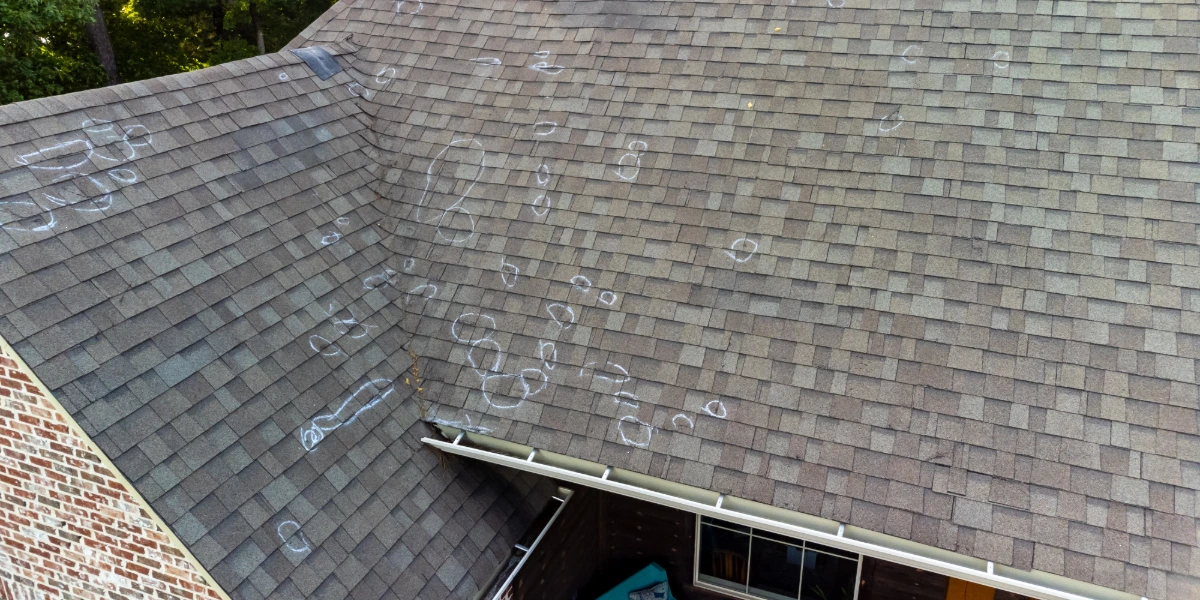
A roof that looks “mostly okay” from the street may still be hiding vulnerabilities beneath the surface. In many cases, the effects of hail damage do not fully reveal themselves until the next heavy rain — or the one after that. What appears minor today can quickly develop into leaks, moisture intrusion, or structural deterioration if the underlying damage is left unaddressed.
Hail-Damaged Shingles: What to Look For
Granule Loss and Soft Spots
The most recognizable sign of hail damage on asphalt shingles is granule loss — those small, sand-like particles that coat the surface. Do you see an unusual buildup of granules in your gutters and downspouts after a storm? On the roof itself, look for dark, exposed patches where granules have been knocked loose. These bare areas accelerate shingle deterioration and leave the underlying material vulnerable to UV damage and moisture.
Dents, Bruising, and Cracking
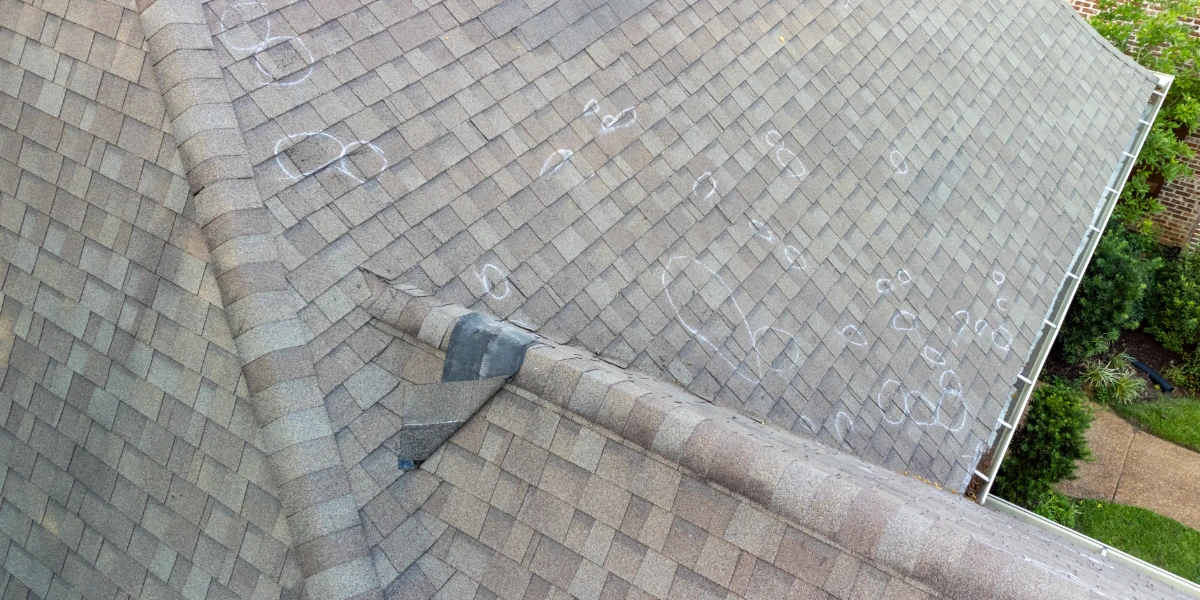
Larger hailstones can crack shingles outright or create soft, bruised spots that are easier to feel than see. These impacts break the bond between the granule layer and the asphalt mat beneath it. Even if a shingle looks intact, internal bruising can cause it to fail prematurely. A professional roof inspection is the only definitive way to identify this type of damage before it becomes a leak.
Can Hail Damage the Underlayment Without Visibly Damaging Shingles?
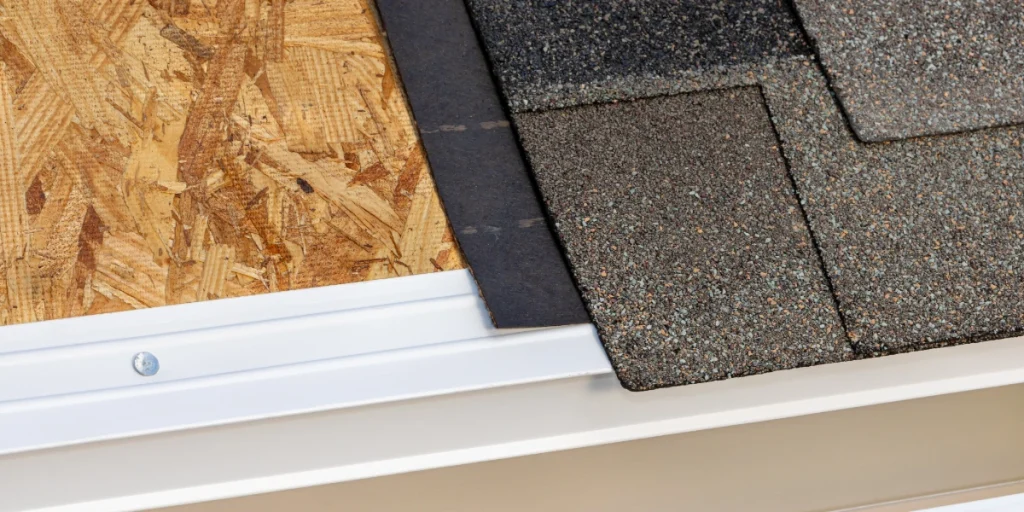
Yes, particularly during severe storms or on older roofing systems where the shingles have already begun to weaken. Underlayment sits directly beneath your shingles and serves as a secondary moisture barrier for your home.
Because underlayment is concealed beneath the roofing material, this type of damage is difficult to identify during a surface-level inspection alone. That is why Red Diamond Roofing performs a detailed evaluation of the roofing system once the shingles are removed. Hidden moisture intrusion or compromised sublayers can remain undetected until restoration work begins, and identifying those issues early can help avert more serious damage later.
Does Hail Damage Roof Decking?
What Is Roof Decking?
Roof decking — also called sheathing — is the wooden board layer that sits beneath the underlayment and gives your roof its structural base. It is commonly made from plywood or oriented strand board (OSB).
When Hail Reaches the Decking
In most cases, hail damage to roof decking occurs when the layers above it have already been weakened or compromised. Repeated storm events, deferred repairs, or a particularly severe hail event can allow moisture to seep through damaged shingles and underlayment, causing the decking to swell, rot, or delaminate. This type of damage won’t be visible during an exterior visual inspection. It is only discovered once the old roofing material has been removed — another reason why a thorough, layer-by-layer inspection matters so much.
Can Hail Damage Roof Flashing?
Absolutely. Roof flashing — the thin metal material installed around chimneys, skylights, vents, and roof valleys — is designed to direct water away from vulnerable seams and joints. Hail can dent, crack, or unseal flashing, creating gaps where water can enter. These entry points are subtle and easy to miss, but the water damage they produce over time is anything but.
Roof flashing repair is an area where many roofing companies fall short. Quick-turnaround contractors often focus on shingles alone and overlook flashing entirely. This leaves homeowners with a new roof surface and an old leak waiting to happen. A complete storm damage restoration accounts for every component, not just the most visible ones.
Why Might Hidden Hail Damage Not Appear in the Initial Insurance Estimate?
Initial storm inspections are often based on what is visible from the roof surface at the time of the assessment. However, damage to components such as underlayment, flashing, or decking may not become fully apparent until the roofing material is removed during the repair process.
This is why an initial insurance scope should not always be viewed as the final picture of the damage. As restoration work begins, concealed issues sometimes become visible that could not reasonably be identified during the first inspection. Red Diamond Roofing regularly documents these findings and works with homeowners throughout the supplemental claim process when additional storm-related damage is uncovered. Choosing a roofing contractor with experience navigating that process can make a meaningful difference in protecting your home and properly restoring the roof.
How Large Does Hail Need to Be to Damage a Roof?
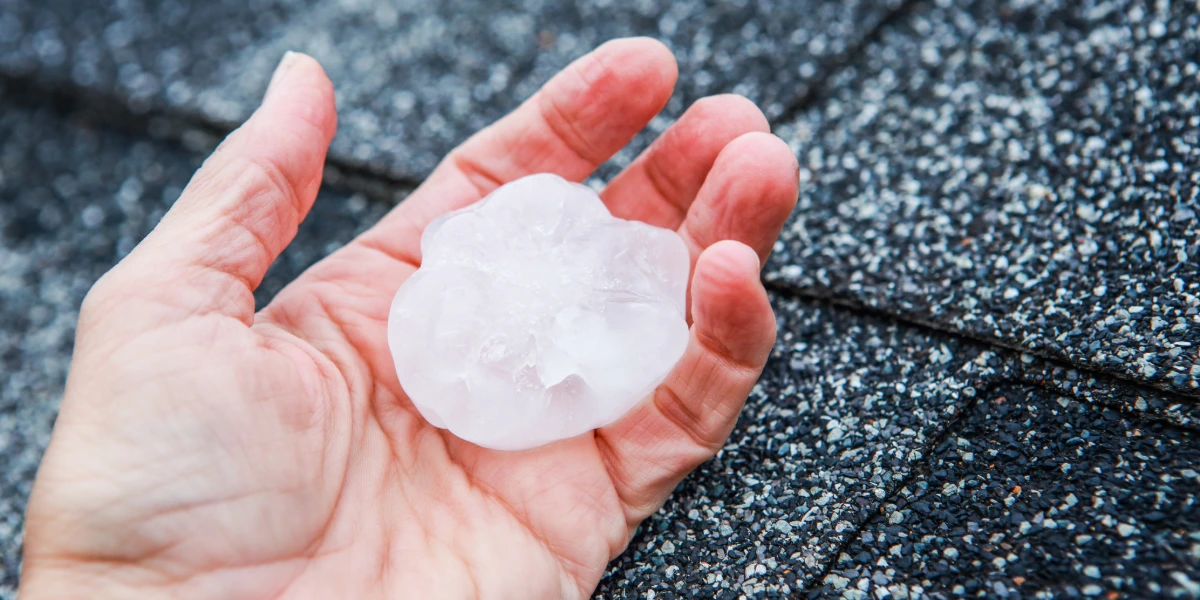
Hail as small as three-quarters of an inch — roughly the size of a penny — can cause granule loss and surface damage on asphalt shingles. At one inch (quarter-sized), the risk of bruising and underlayment impact increases considerably. Hailstones reaching one and a half inches or larger can crack shingles, damage flashing, and in severe cases, impact the decking. Wind-driven hail compounds the effect at any size.
Colorado’s Front Range is part of “Hail Alley,” a corridor known for some of the most intense hail activity in North America. Storms in this region have produced documented losses in the billions of dollars, with the Denver metro area regularly appearing among the top markets for hail insurance claims nationwide.
Protecting Your Home Starts With the Right Inspection
A hailstorm may last only minutes, but the damage it leaves behind can develop over months. The only way to know the true condition of your roof at every layer is through a professional inspection carried out by a contractor who knows what to look for and is willing to do the work to find it.
Contact Red Diamond Roofing today for a free roof inspection. We serve homeowners across the Denver metro area and beyond, and we will walk you through every layer of what the storm left behind, so you can move forward with confidence.