
When your roof takes a hit from hail or a windstorm, the last thing you want is to leave money on the table. Red Diamond Roofing has worked with hundreds of Colorado homeowners navigating the insurance claim process, and one of the most overlooked opportunities in that process is the roof insurance supplemental claim. It is not an aggressive tactic or an attempt to game the system. It is a standard mechanism within the insurance claims process designed to account for items that an initial assessment may miss. Here is what you need to know.
What Is a Supplemental Claim in Roofing?
A supplemental claim is a request submitted to your insurance company after the initial settlement to account for damage or costs that were missed, undervalued, or discovered later in the process. Think of it as a revision to the original estimate. Insurance adjusters work quickly, especially after a major storm event when claim volume is high. It is not uncommon for items to be overlooked or priced below current market rates. The insurance company may pay for lesser materials, rather than replacing like-for-like. A supplemental claim corrects that gap. It is a standard part of the insurance claim process, and a contractor who knows what to look for and how to document it can significantly improve your outcome.
When Should a Roofing Contractor File a Supplemental?
A roofing contractor should file a supplemental whenever the scope of work or cost of materials exceeds what the initial insurance settlement covers. This can happen in several situations. Material prices can shift between the time of the initial estimate and the time of installation. Hidden damage may not be visible until the surface layer of shingles has been removed. Certain line items, like flashing, underlayment, or ventilation components, are sometimes excluded from the original scope entirely. A contractor experienced in the roofing supplement insurance process will monitor each of these factors throughout the project and file a supplemental when the facts support it.
What Kinds of Damage Are Commonly Missed in the Initial Settlement?
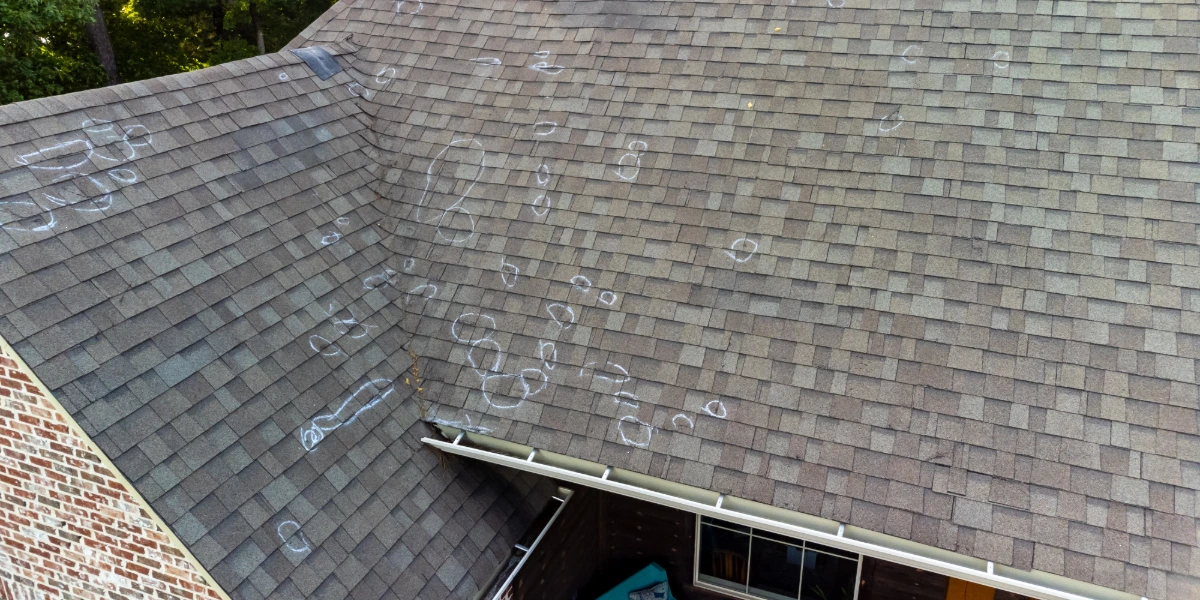
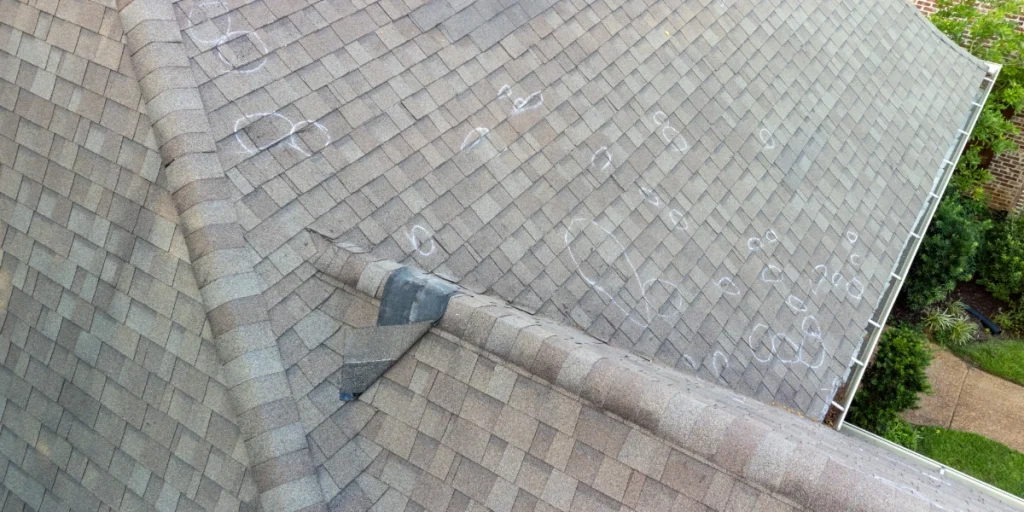
Insurance adjusters often inspect roofs under time constraints and may rely on a combination of visual inspections, aerial imagery, drones, ladder-assisted inspections, or other methods. Because the initial inspection occurs before tear-off, some damage may not be visible until roofing materials are removed. They are not always equipped to identify damage beneath the surface layer or to account for all components that contribute to a fully functional roof system. Items that are frequently missed or undervalued in initial settlements include:
- Flashing around chimneys, skylights, and pipe boots
- Roof deck damage beneath the shingles
- Underlayment that must be replaced rather than reused
- Gutters and downspouts with hail impact damage
- Ventilation components and ridge caps
- Code-required upgrades that apply to your area
Once the existing shingles are removed, a thorough inspection can reveal damage that simply was not visible before. Red Diamond Roofing conducts a detailed examination of all sublayers after tear-off and pursues a supplemental when that inspection reveals items the adjuster missed.
Does a Supplemental Claim Cost You More Out of Pocket?
This is one of the most common questions homeowners ask, and the answer is no. A supplemental claim does not change your deductible. You will pay your deductible regardless of whether a supplemental is filed. What a supplemental does is increase the amount your insurance company pays, which means your out-of-pocket costs can stay the same while the scope and quality of your repair improves. In situations where legitimate damage or required repairs were omitted from the original estimate, failing to pursue a supplemental claim may leave insufficient funding for the full scope of covered repairs. If legitimate repair costs are not reflected in the settlement, homeowners may face difficult decisions about repair scope, material selections, or additional out-of-pocket expenses.
Will My Deductible Increase If My Contractor Requests a Supplemental?
Filing a supplemental claim does not increase your deductible. Your deductible is a fixed term in your policy and is tied to the original loss event, not to the number of revisions to the claim. What you pay out of pocket is determined by your policy terms, not by how thoroughly your contractor advocates for you. A supplemental simply ensures that the total covered amount reflects the true cost of properly restoring your roof.
Why Are Supplemental Claims Common After Colorado Storm Damage?
Colorado is one of the most active hail states in the country. Storms move through frequently, insurance adjusters handle high claim volumes, and initial settlements often reflect a baseline estimate that leaves room for legitimate supplementation. Because initial estimates are based on information available during the first inspection, contractors frequently identify additional covered items or damage that may warrant supplemental review by the insurer. Experienced Colorado roofing companies that work in the insurance space regularly see initial settlements revised upward through the supplemental process. The key is having a contractor who is both skilled at identifying what was missed and experienced at presenting that documentation to the insurer in a way that leads to a favorable response.
What Happens If Hidden Damage Is Found After the Initial Claim Is Settled?
Hidden damage discovered after a tear-off is one of the most common reasons a supplemental is filed. Once the shingles are off, the roof deck and underlayment are fully exposed. At that point, if damage is found that was not included in the original settlement, your contractor should document it thoroughly with photos and measurements, submit a supplemental to your insurance company, and advocate for coverage of those additional items. This is a legitimate part of the claims process, and a contractor who skips it is leaving your interests unrepresented.
Can I Request a Supplemental After My Roof Replacement Is Already Done?
In most cases, a supplemental should be pursued during the project, not after it is complete. Once the work is finished and the claim is closed, reopening it becomes significantly more difficult. This is one reason why choosing the right contractor from the start matters. A contractor who actively monitors the project, documents emerging damage, and communicates with your insurer throughout the process gives you the best chance of a complete and fair settlement. Waiting until after installation is done can put you at a disadvantage.
How Do I Know If My Contractor Is Experienced With Supplemental Claims?
Ask directly. A contractor with real experience in the roofing supplement insurance process will be able to explain how they approach supplementals, what they look for during tear-off, and how they document and present findings to insurers. They should be willing to walk you through the process and answer questions without hesitation. Red Diamond Roofing has been working with Colorado homeowners and insurance companies since 2008. The ability to negotiate effectively with insurers and pursue supplementals where warranted is a core part of what sets Red Diamond apart from contractors who treat a roof replacement as a one-and-done transaction.
The Right Contractor Makes the Difference
Many homeowners have never heard of insurance supplementals. Others assume their initial settlement covers everything. The difference between a contractor who pursues a roof insurance supplemental claim and one who does not can be significant. Homeowners in Colorado who have experienced storm damage deserve a contractor who understands this process, pursues it proactively, and stays involved from the first inspection through final payment.
Red Diamond Roofing is that contractor. Contact us today for a free inspection and to learn more about how we advocate for homeowners through every step of the insurance claims process.