

Your roof protects everything inside your home, but it won’t last forever. Red Diamond Roofing has served Colorado homeowners since 2008, helping them recognize when storm damage or wear and tear means it’s time for action. While many roofs are designed to last decades, Colorado’s severe weather often cuts that timeline short. Hailstorms, high winds, and intense sun exposure can all accelerate deterioration, leaving your home vulnerable long before you’d expect. Understanding the warning signs helps you make informed decisions about roof replacement before small problems become expensive disasters.
Why Colorado Roofs Face Unique Challenges
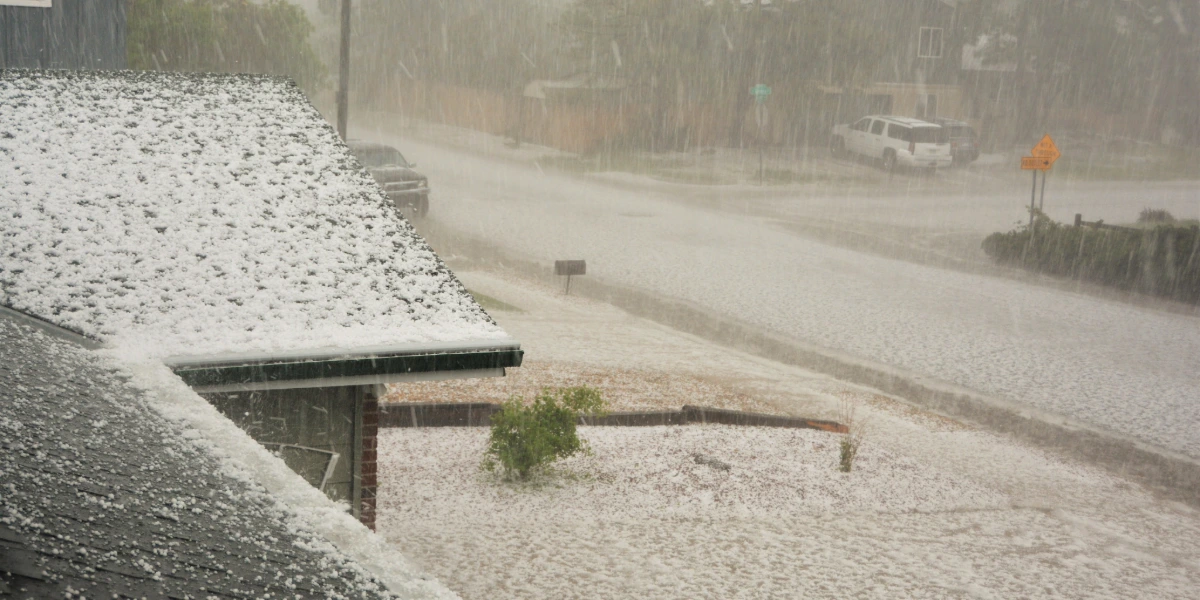
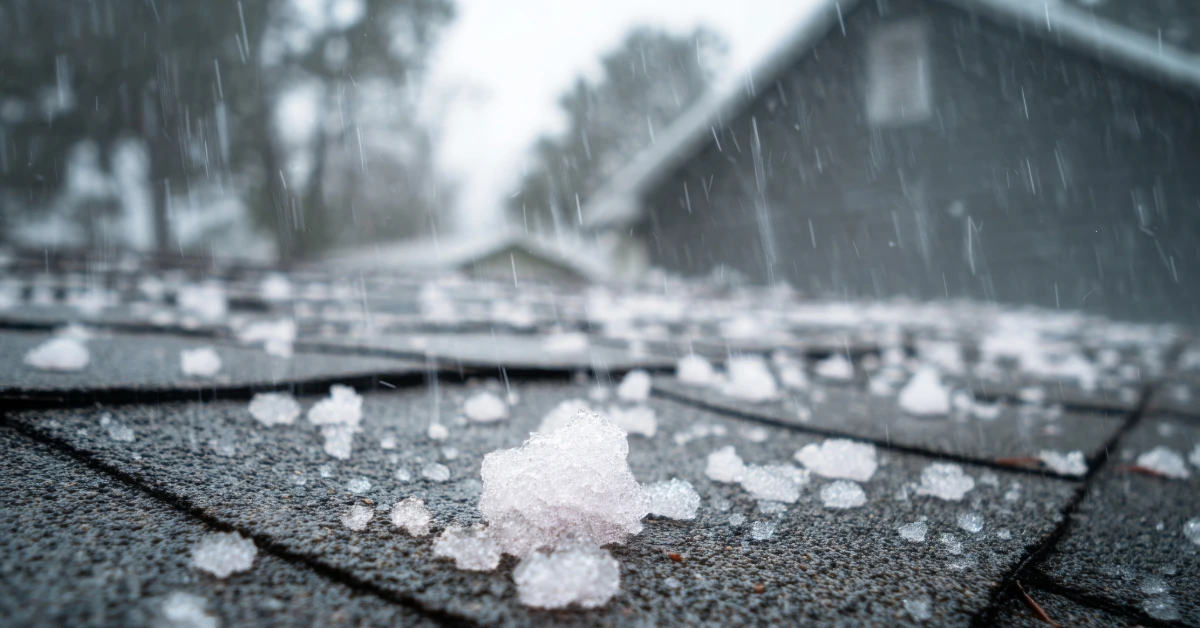
Colorado’s climate creates the perfect storm for roof damage. The state experiences some of the nation’s most intense hailstorms, with large hail striking communities from Denver to Fort Collins. These storms don’t just cause obvious holes—they create micro-fractures in shingles that allow water infiltration over time. Add in intense UV exposure, rapid temperature swings, and strong wind gusts, and you’ll understand why many Colorado homeowners replace their roofs due to weather events rather than age. The frequency of these weather events means your roof is constantly under assault, making regular inspections critical for catching problems early.
1. Missing, Cracked, or Curling Shingles
Walk around your property and look up. Missing shingles create obvious gaps in your roof’s protective barrier, allowing water to reach the underlayment and decking. Cracked shingles indicate impact damage or age-related brittleness, while curling edges suggest heat damage or poor ventilation. After a storm, you might notice granule loss in gutters or downspouts—these granules protect shingles from UV rays, and their absence speeds up deterioration. A few damaged shingles might warrant repairs, but widespread issues across multiple roof sections signal that replacement is needed. Storm damage often creates patterns of damage that only become visible during professional inspection.
2. Leaks and Water Stains Inside Your Home
Water stains on ceilings or walls tell you moisture has already penetrated your roof’s defenses. Brown rings, peeling paint, or bubbling drywall indicate active leaks that need immediate attention. Look for discoloration around light fixtures, in corners where walls meet ceilings, or along chimney lines where flashing may have failed. Water damage spreads quickly once it starts, potentially causing mold growth, wood rot, and structural issues that cost far more than roof replacement. If you’re seeing interior water damage, the problem has likely existed longer than you realize, making quick action necessary. Even small stains suggest larger hidden problems that warrant professional inspection.
3. Sagging Roof Deck
A sagging roofline indicates serious structural problems that require immediate professional evaluation. This symptom suggests water has compromised the decking or support structure underneath your shingles. Stand back from your home and look for dips, waves, or uneven lines along the roof’s surface. These issues rarely improve on their own and typically worsen rapidly. Sagging roofs can collapse under the weight of snow or during the next storm, creating dangerous situations for your family. When structural integrity is compromised, repair isn’t an option—full replacement becomes necessary to restore safety.
4. Age and Lifespan Considerations
Most asphalt shingle roofs last 20-30 years under normal conditions, but Colorado’s weather rarely qualifies as normal. If your roof approaches 15-20 years old, it becomes increasingly vulnerable to storm damage. Older shingles become brittle and less flexible, making them crack more easily during hailstorms or high winds. Poor attic ventilation accelerates aging by trapping heat and moisture, causing shingles to deteriorate from underneath. Regular maintenance can extend lifespan, but even well-maintained roofs eventually reach the point where replacement makes more financial sense than ongoing repairs. Insurance companies often consider roof age when evaluating claims, making documentation important.
5. Granules in Gutters
Asphalt shingles shed some granules over their lifetime, but excessive loss signals trouble. These ceramic-coated granules protect shingles from UV damage and fire. Look over your gutters and downspouts after a storm for any gritty buildup that looks like coarse sand. Widespread granule loss leaves shingles vulnerable to rapid deterioration and reduces their fire resistance. While some shedding is normal for new roofs during the first year, consistent granule loss on an older roof means the protective layer has worn away. Once granules disappear, shingles quickly fail, especially under Colorado’s intense sun exposure.
6. Daylight Through Roof Boards
Grab a flashlight and inspect your attic during daytime hours. Any spots where you can see daylight coming through the roof decking indicate holes or gaps in your roof’s structure. These openings allow rain, snow, and pests to enter your home, causing damage that extends beyond roofing materials. Small openings can develop into major problems during Colorado’s freeze-thaw cycles, where trapped moisture expands and contracts, widening gaps over time. If daylight is visible, water has likely already found its way in during storms, even if you haven’t noticed interior leaks yet.
7. Storm Damage Documentation
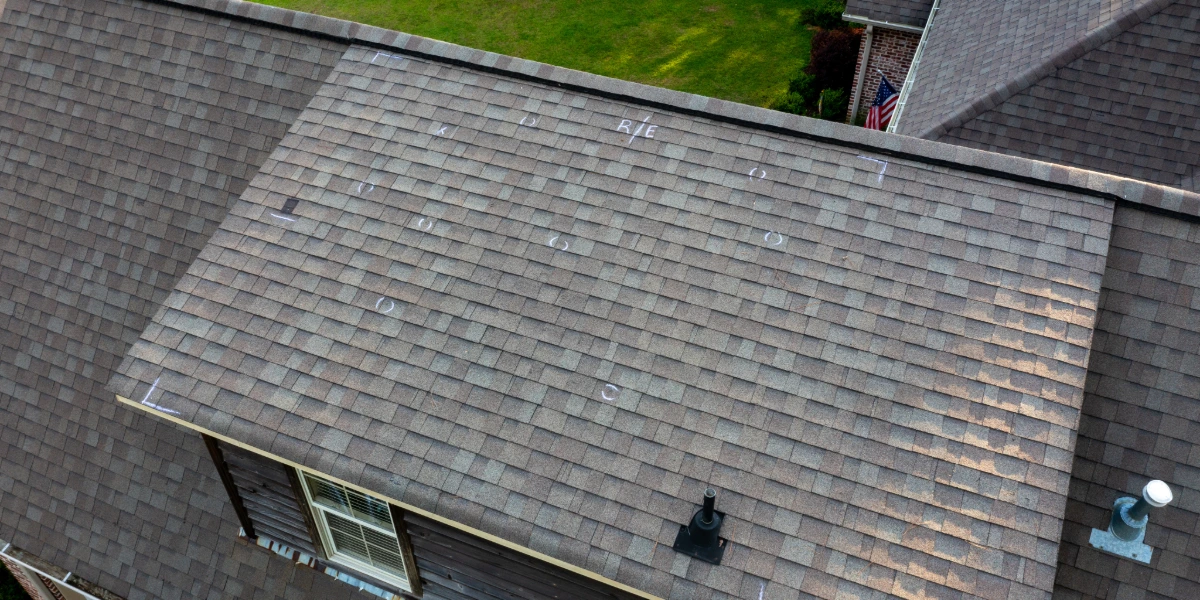
After any significant hail or wind event in your area, document visible damage with photos and contact a professional inspector. Hail creates circular bruises on shingles that may not be obvious from ground level. Wind damage often tears shingles or lifts edges, breaking the seal that keeps water out. Many homeowners don’t realize they have storm damage until the next rain reveals leaks. Red Diamond Roofing offers free inspections to assess storm damage and help homeowners navigate insurance claims. Most insurance policies cover storm-related roof damage, making professional documentation critical for securing coverage. Acting quickly after storms helps protect your claim rights and prevents additional damage.
Take Action Before Small Problems Become Major Expenses
Recognizing these seven signs helps you make informed decisions about roof replacement before emergency situations force your hand. While regular maintenance and prompt repairs extend your roof’s life, Colorado’s severe weather means most homes will need replacement sooner than the national average. Red Diamond Roofing provides free inspections throughout Denver, Fort Collins, Thornton, and surrounding areas to help homeowners assess their roofs’ condition. Our team works with your home insurance provider to document storm damage and guide you through the claims process. Whether you’ve noticed warning signs or want peace of mind after recent storms, scheduling an inspection protects your home and your investment.
Contact Red Diamond Roofing today to schedule your free roof inspection and learn whether repair or replacement is your best option.