
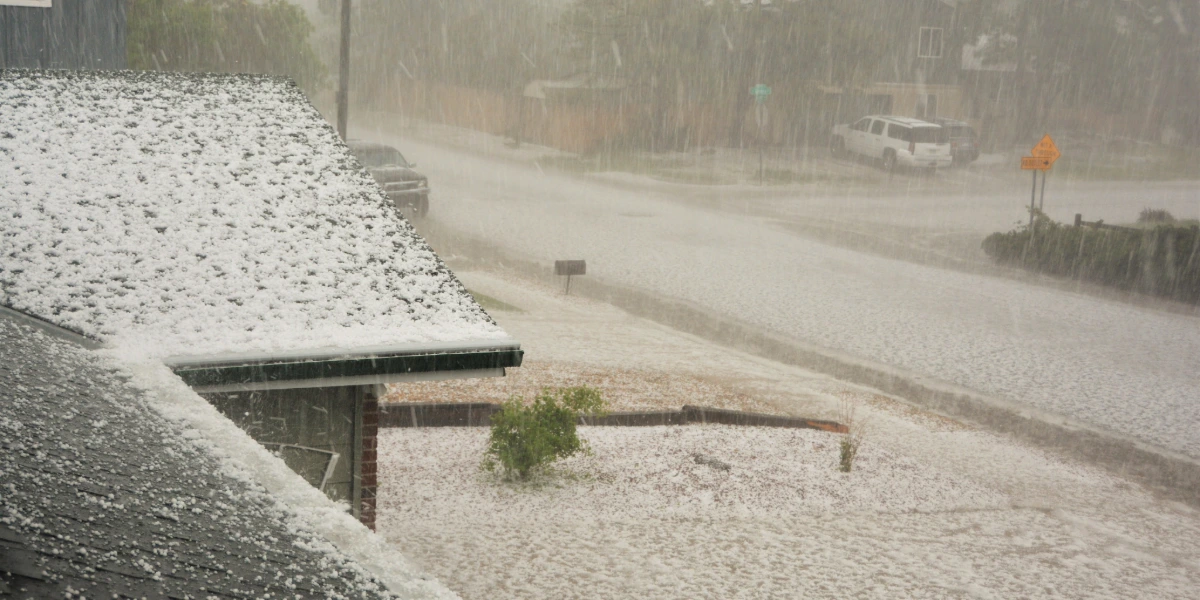
Colorado’s severe weather tests roofs each year. Hail can damage your roof even when it’s not visible from the ground, weakening its protection. Red Diamond Roofing has guided Colorado homeowners through hail damage roof replacement since 2008, working with insurance companies to restore roofs in Denver, Fort Collins, and surrounding areas.
Understanding when replacement is necessary versus when repairs will suffice can save you time, money, and future headaches. Colorado experiences some of the most frequent and severe hailstorms in the nation, which means most homeowners will face this decision at some point during their time in the home. Many homeowners are relieved to learn that insurance often pays for a large share of storm-related roof damage, which helps reduce out-of-pocket costs and makes the replacement process far less overwhelming.
Recognizing Roof Damage After a Hailstorm
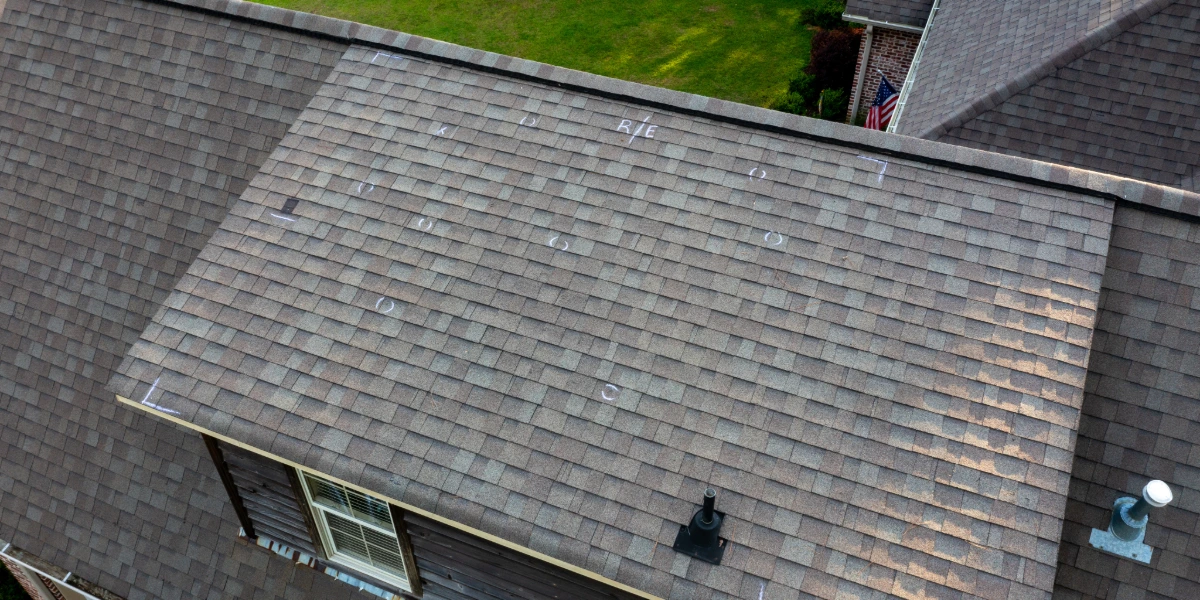
Hail damage isn’t always immediately visible from the ground, which is why professional inspection is critical after any significant storm. Look for dents or dings on metal surfaces, such as gutters, downspouts, vents, and flashing, as these indicate that hail was large enough to potentially damage shingles. Asphalt shingles may show bruising where granules have been knocked loose, creating dark spots that expose the underlying mat.
You might also notice granules collecting in gutters or at downspout exits. Missing, cracked, or lifted shingles can all result from hail impact. Inside your home, water stains on ceilings or walls suggest the roof’s protective barrier has been compromised. A qualified roofing contractor can perform a detailed inspection and record any damage needed for your insurance claim.
Does All Hail Damage Require a Full Roof Replacement?
Not all hailstorms require full roof replacement. The extent and location of the damage matter. Insurance adjusters count hits per 10×10-foot section to decide on repair or replacement. If damage is limited and most of the roof is sound, spot repairs may suffice.
If hail damages a large part of the roof or causes major granule loss and bruising, replacement is smarter. Since another storm could soon hit a weakened roof, replacement is often the best long-term investment in Colorado.
Why Is It Important to Act Quickly After a Hailstorm?
Insurance policies have set timeframes for storm claims; missing them can mean denied coverage. Act quickly to ensure damage is clearly linked to the recent storm instead of wear.
Delaying repairs allows water in through damaged shingles, leading to rot, mold, and interior problems that insurance may not cover. New storms complicate claims, making damage harder to trace. Contractors also book up after storms, so quick action secures your spot.
Should I Call My Roofing Contractor or My Insurance Company First?
Most homeowners should call a roofing contractor for inspection before the insurance company. A contractor can determine if damage justifies a claim, helping avoid unnecessary filings. They document damage with photos and notes to support your claim.
Once you have documentation from your contractor, contact your insurance company to start the claim with the necessary information to describe the damage accurately. A reputable contractor will clearly explain their findings and never pressure you to file if the damage is minimal.
What Is the Process for Filing a Claim and Working with the Adjuster?
Start your claim by reporting to your insurance company. They assign an adjuster to visit your property. Schedule the inspection promptly, and have your contractor present. The adjuster documents damage and submits a report.
Adjusters may miss damage or underestimate repairs, so having your contractor there ensures accuracy. If you disagree with the adjuster’s assessment, request a re-inspection or submit more documentation. Once approved, depending on the type of claim, insurance may pay in two parts: one at the start and one at completion.
How Much Will I Have to Pay Out of Pocket?
You usually only pay your insurance deductible for hail-related roof replacement. Deductibles range from $1,000 to $2,500, although some are a percentage of home value. Code upgrades may not be covered by older policies, resulting in extra costs.
Code upgrades mean bringing your roof up to current standards, which may differ from when it was installed. Your contractor works directly with your insurance company to match the settlement scope, helping you understand what is covered and what may require additional payment. Financing through partners like Service Finance Company can help with deductibles and extra costs.
Will Filing a Hail Claim Cause My Insurance Premiums to Increase?
In Colorado, weather-related claims like hail damage are often treated differently from at-fault claims. Many insurance companies recognize that hail damage is beyond the homeowner’s control and may not increase premiums for a single weather claim.
Before filing an insurance claim, weigh damage costs against your deductible and possible premium changes. For major damage requiring full replacement, filing a claim is usually best, regardless of premium adjustments.
Should I Upgrade to an Impact-Resistant Shingle (Class 4)?
Class 4 impact-resistant shingles give better hail protection than standard shingles. They use reinforced asphalt to resist larger impacts. Although pricier, many insurers offer discounts for Class 4 use, offsetting the higher cost over time.
With Colorado’s hail risk, impact-resistant shingles are often cost-effective by lowering future claims and replacements. Some insurers may require them after multiple claims.
What Should I Look for When Hiring a Roofing Contractor in Colorado?
Selecting the right roofing contractor can mean the difference between a smooth replacement process and a frustrating experience. Look for contractors with an established local presence, rather than out-of-state companies that arrive after storms and disappear before the warranties matter. Red Diamond Roofing has served Colorado since 2008, providing the stability and accountability that come with long-term community presence.
Confirm your contractor has proper licensing and insurance. Check manufacturer certifications, like Owens Corning or Malarkey, which show advanced training and warranty access. Top contractors explain the process, and don’t rush your decision.
Making the Right Decision for Your Colorado Home
Working with experienced local contractors who know Colorado’s weather and insurance makes replacement easier. Document damage fast, partner with pros in the claims process, and ask questions if unsure. Your roof is your home’s main shield, and proper replacement restores protection and leverages your insurance coverage.
Contact us today for a free inspection if you think your roof has hail damage. We’ll give you an honest assessment, detailed documentation, and expert help through the replacement process.