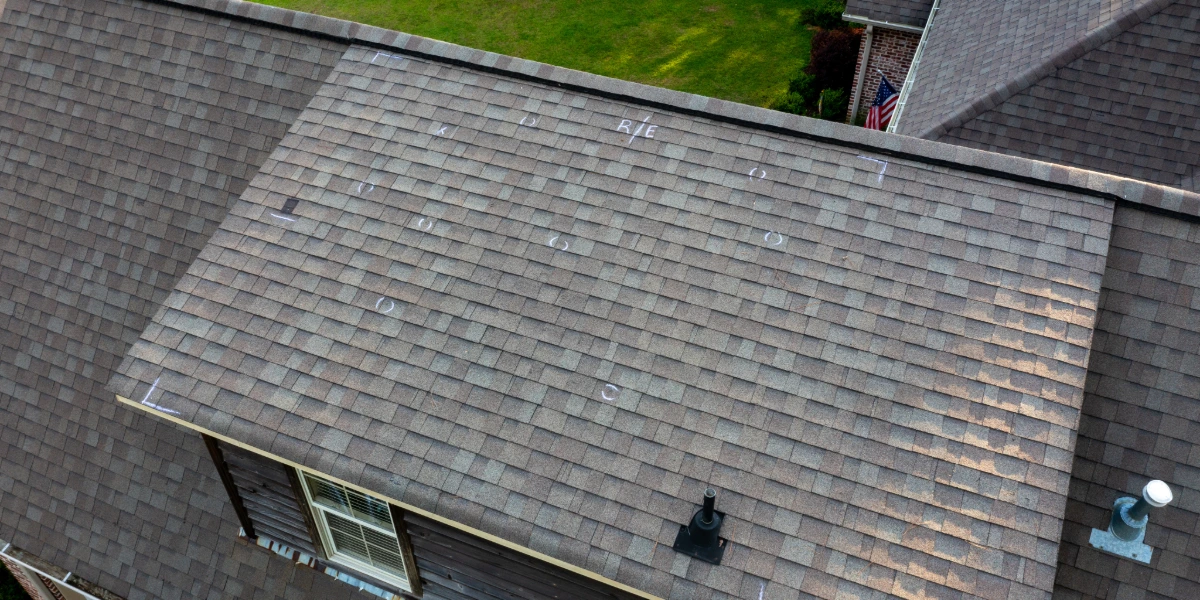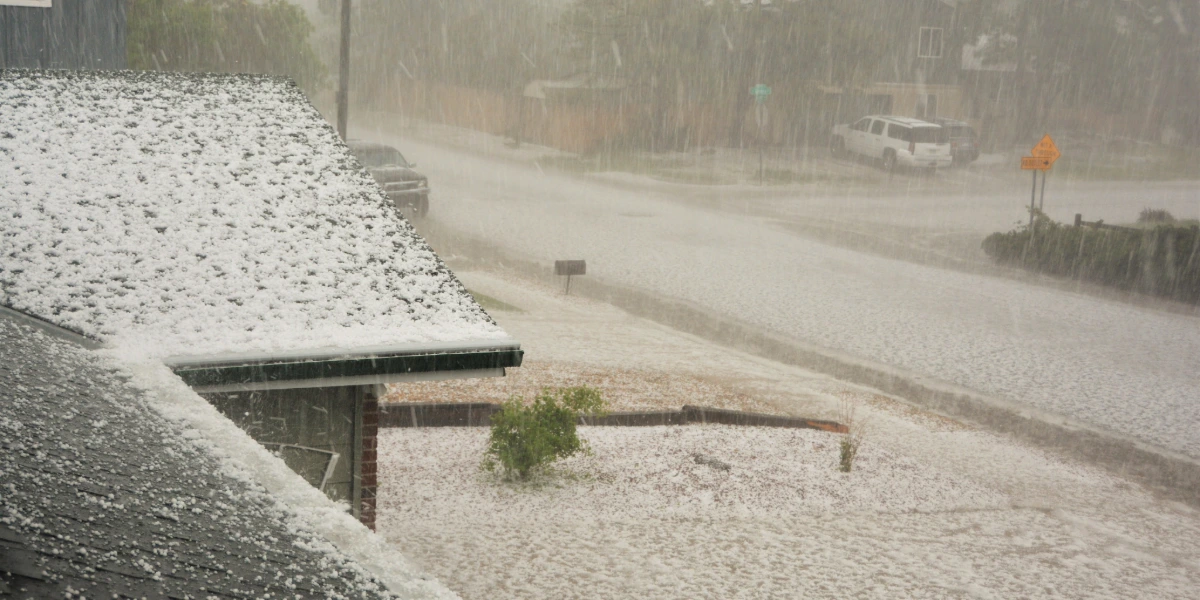

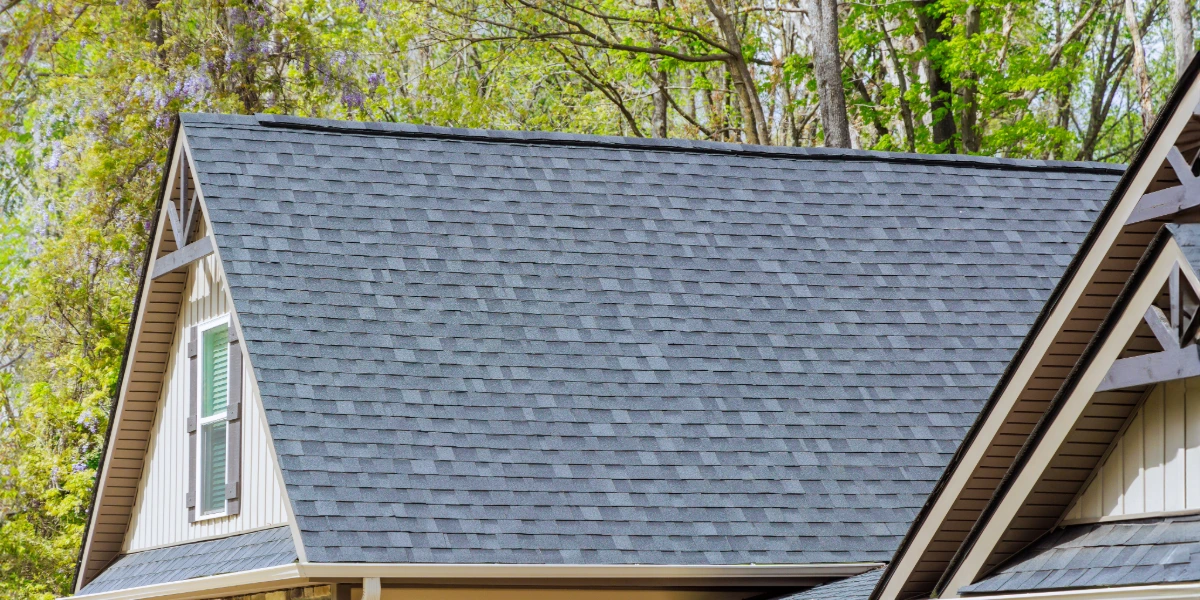
When a Colorado hailstorm tears through the Front Range, your roof takes the first hit. At Red Diamond Roofing, we’ve helped homeowners across Denver, Fort Collins, and Thornton recover from storm damage since 2008. And one thing hasn’t changed: asphalt shingle roofs remain the most practical, cost-effective choice for residential roof replacement in our region. Whether you’re replacing a storm-damaged roof through insurance or planning ahead, understanding what makes shingle roofs stand out helps you make a confident decision.
Why Shingle Roofs Make Sense in Colorado
Colorado sits squarely in “Hail Alley.” The state averages 94 hail events per year and ranks second in the nation for annual hail-related property losses, with roughly $151 million in damage statewide each year. Along the Front Range, hail damage is a major driver of homeowners’ insurance costs. For most Colorado homeowners, the question isn’t if their roof will be hit, it’s when.
That reality shapes every residential roof replacement decision. Shingle roofs have evolved to meet these demands, offering impact-resistant options, high-wind installation standards, and energy-saving technologies that are well-suited to Colorado’s climate. They’re also the most widely covered product by insurance carriers, which matters when your claim is already in motion.
Will a Class 4 Shingle Lower My Insurance Premium?
This is the most common question we hear from Front Range homeowners, and for good reason. Class 4 impact-resistant shingles, rated UL 2218, are built to withstand the kind of large hail that regularly batters Denver and Fort Collins neighborhoods. Most major insurers, including State Farm, Allstate, and USAA, offer premium discounts for homes with Class 4 shingles installed.
The typical discount is 15% to 25% annually, and the upgrade usually costs $1,000 to $2,000 more than a standard shingle installation. In most cases, that cost difference pays for itself within three to five years. If you’re already going through a residential roof replacement after storm damage, upgrading to Class 4 is worth discussing with your contractor and your insurance carrier before your project begins.
Should You Switch to Metal Because of Hail?
Some Front Range homeowners wonder whether metal roofing is the smarter choice given Colorado’s hail season, which peaks in May and June. Metal is undeniably durable, but there’s a nuance worth understanding: large hail can still dent metal roofing, and many Colorado insurance policies now include a “Cosmetic Damage Exclusion” for metal. That means visible dents from hail may not be covered, leaving the homeowner responsible for repairs that affect appearance but not function.
Asphalt shingles don’t carry that same exclusion risk. When a Class 4 shingle roof sustains hail damage, it’s typically a covered loss. That’s a significant practical advantage for Colorado homeowners who rely on insurance to fund their roof replacement.
How Do Shingles Handle Colorado’s Intense UV Exposure?
At 5,280 feet above sea level, Denver receives roughly 25% more UV radiation than cities at sea level. That added intensity accelerates granule loss on standard shingles, shortening the roof’s effective life and potentially voiding manufacturer warranties earlier than expected.
The solution is to specify shingles designed for high-altitude UV exposure. Owens Corning’s Platinum Preferred product line and Malarkey’s Emerald Premium shingles both incorporate advanced granule technology that resists UV degradation and helps reflect solar heat. This “cool roof” effect reduces surface temperatures, lowering summer cooling costs and extending the life of the roofing system. Red Diamond Roofing is certified as an Owens Corning Platinum Preferred Contractor and a Malarkey Emerald Premium Contractor, which means homeowners have access to the strongest manufacturer warranties available.
Can Shingles Handle 100 MPH Chinook Winds?
In communities like Boulder, Golden, and Arvada, wind can be just as destructive as hail. Standard shingle installation uses a four-nail pattern, which isn’t enough for high-wind exposure zones along the Front Range. High-wind warranty requirements in Colorado often specify a six-nail installation pattern to keep shingles from lifting or peeling back during a windstorm.
When Red Diamond Roofing installs a shingle roof, we follow the manufacturer’s and local building code installation specifications, including high-wind nailing patterns where applicable. That distinction matters when a storm rolls through, and your warranty needs to hold up.
What About Ice Dams in the Winter?
The Front Range’s freeze-thaw cycles create ideal conditions for ice dams. A 60-degree afternoon followed by a 10-degree night can cause snowmelt to refreeze at the eaves, forcing water back under shingles and into the home. Many Front Range counties require the installation of an ice-and-water shield membrane extending at least 2 feet inside the exterior wall line to prevent this.
A complete residential roof replacement addresses more than just the shingles. Proper underlayment, ice-and-water shield at the eaves, and correctly installed flashing around chimneys, vents, and valleys are all part of a system that protects your home through Colorado winters. Cutting corners on any of these components creates vulnerabilities that show up months later, often when the next storm hits.
Shingle Roof Cost and Financing Accessibility
The asphalt shingle roof cost remains lower than metal, tile, or fiber cement alternatives — and that gap widens when you factor in installation labor. For homeowners replacing a storm-damaged roof, insurance typically covers the cost of like-for-like replacement, meaning a shingle roof is often the most cost-effective way to restore your home quickly.
For homeowners with deductible costs or upgrade expenses not covered by their policy, Red Diamond Roofing offers financing through Service Finance. Flexible financing options help make out-of-pocket expenses more manageable without delaying your project or settling for a lower-quality product.
The Right Shingle Roof for Your Colorado Home
Not every shingle performs the same way on a Colorado roof. The right choice depends on your exposure to hail, wind, UV, and ice, all of which vary across the Front Range. Red Diamond Roofing helps homeowners sort through those variables, identify the right product for their situation, and navigate the insurance process to get there.
If your roof has been impacted by hail or strong winds, or if you’re ready to explore a residential roof replacement, contact Red Diamond Roofing for a free inspection. We’ve been doing this work in Denver, Fort Collins, and Thornton since 2008, and we’ll still be here if you need us down the road.